If you are wondering about the best time to buy a gaming PC, the honest answer is that there are two kinds of good timing: the calendar sale events everyone knows about, and the quieter clearance windows that follow new hardware launches. The second kind often produces the better deals, because retailers need shelf space for new models and price the outgoing ones to move.
This guide walks through the gaming PC price calendar month by month, explains why prices fall when they do, and shows how to tell whether the price in front of you is genuinely low or just labelled that way. It applies equally to prebuilt desktops and gaming laptops, and most of it holds for monitors and peripherals too.
The short answer
The cheapest times to buy a gaming PC are usually:
- Black Friday through Cyber Monday (late November), the biggest and broadest sale period of the year.
- The mid-summer sale events (typically July), where prebuilt desktops and laptops see deep, short-lived cuts.
- The October sale events, which increasingly act as an early holiday sale.
- Back-to-school season (July to September), especially for gaming laptops.
- The weeks after a new GPU or CPU generation launches, when the previous generation is cleared.
The single most reliable signal is not the calendar, though. It is a generation change. When a new graphics card family arrives, systems built on the outgoing cards are discounted for months, and those discounts are often larger than anything a holiday sale offers on current hardware.
Why gaming PC prices drop when they do
Understanding the reasons behind price drops makes it much easier to predict them.
Inventory has to move before new hardware lands
Prebuilt makers and retailers order systems months in advance. When a new GPU generation is announced, every unsold system with the old card loses value overnight in the eyes of buyers. The rational response is to discount it before it loses even more. That is why you often see the largest percentage discounts on systems that are one generation old.
Retail events are planned around traffic, not cost
Big sale events exist to bring shoppers in. Retailers and brands accept thinner margins on a handful of headline products because the traffic sells everything else. That means the event discounts are real on some items and cosmetic on others. A system can be "on sale" at a price it has sat at for weeks.
Model-year refreshes on laptops
Gaming laptops are refreshed roughly once a year, usually announced in January and shipping through the spring. The previous model year is then discounted heavily, often with nearly identical chassis and screens. If you do not need the newest GPU, a prior-year laptop on clearance is one of the best values in PC gaming.
A month-by-month gaming PC price calendar
Patterns vary year to year, but this is how the gaming PC market typically behaves across the calendar.
| Month | What usually happens | Worth buying? |
|---|---|---|
| January | New laptops and GPUs announced at the big trade shows; post-holiday clearance continues | Good for clearance on last year's models |
| February to March | New hardware begins shipping; older stock discounted | Good, especially laptops |
| April to May | Quieter period; scattered discounts | Average, watch for one-off drops |
| June | Pre-summer promotions start | Average to good |
| July | Mid-summer sale events; back-to-school begins | Very good for prebuilts and laptops |
| August to September | Back-to-school continues | Good for laptops |
| October | Fall sale events; early holiday pricing | Good |
| November | Black Friday and Cyber Monday | Best overall |
| December | Holiday pricing, then year-end clearance | Good after the 26th |
Treat this as a starting point rather than a rule. A system that has been sitting unsold can drop in price in any month, which is why we check prices across every brand we track and surface the biggest live cuts on our biggest gaming laptop discounts list and our all deals page.
Hardware launches matter more than holidays
If you remember one thing from this guide, make it this: the GPU generation inside a system matters more than the size of the discount.
When a new graphics card family launches, three things happen:
- Systems with the new cards arrive at full price, often with limited stock.
- Systems with the previous generation are discounted to stay competitive.
- Over the following months, the new systems themselves start to see promotions as supply improves.
That creates two windows worth watching. The first is right after launch, for buyers happy with last-generation performance at a lower price. The second is three to six months later, when current-generation systems begin to see their first meaningful cuts.
When a last-generation deal is the right call
A discounted system with a previous-generation card is a great buy when the price reflects its performance. Compare it with a current system at a similar price. If the older system performs about as well for meaningfully less money, it is a deal. If a new system with a newer mid-range card performs the same for the same price, the older system's discount is not really saving you anything, and the newer one will be supported for longer.
When to wait
If a new GPU generation is widely expected within the next month or two and you are shopping at the high end, waiting is usually rewarded. High-end systems lose the most value when they are superseded. At the budget end the case for waiting is weaker, because entry-level cards change less dramatically between generations.
How to know if a sale price is actually low
A sale badge does not tell you whether a price is good. These checks do.
- Compare the parts, not the percentage. Add up roughly what the CPU, GPU, memory, storage, power supply, and case would cost on their own. A good prebuilt deal lands near or below that total, with the build and warranty effectively thrown in.
- Check the reference price label. Our product pages show which reference a discount is measured against, such as a list price or a recent typical price. A discount against a recent typical price tells you more than one against a list price the system rarely sold for.
- Compare similar systems. Look at what similar configurations cost across brands. Our gaming PCs category lets you compare every brand side by side.
- Look at the exact configuration. Two listings with the same model name can have different GPUs, memory, or storage. The cheaper one may simply be the lesser configuration.
Black Friday gaming PC deals: what to expect
Black Friday is still the broadest sale of the year, but it is not always the deepest on every system. A few patterns are worth knowing.
- Doorbuster pricing is often limited to specific configurations, sometimes ones made specifically for the event with cheaper components. Check the full spec sheet, especially the power supply and storage.
- Mid-range systems tend to see the most competitive pricing, because that is where most buyers shop.
- Prices often appear in the week before Black Friday and stay through Cyber Monday. There is rarely a reason to wait for the day itself.
- Accessories are bundled more often, which adds value if you need a keyboard, mouse, or headset anyway.
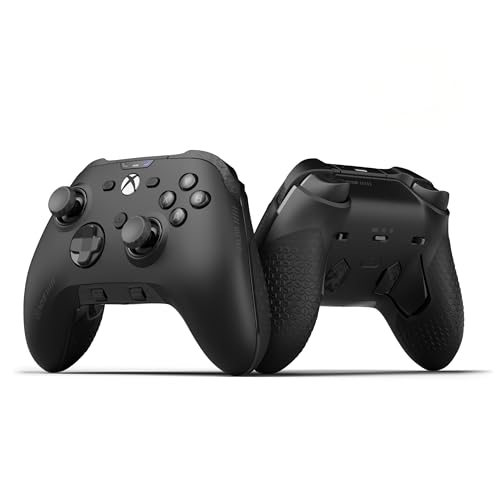
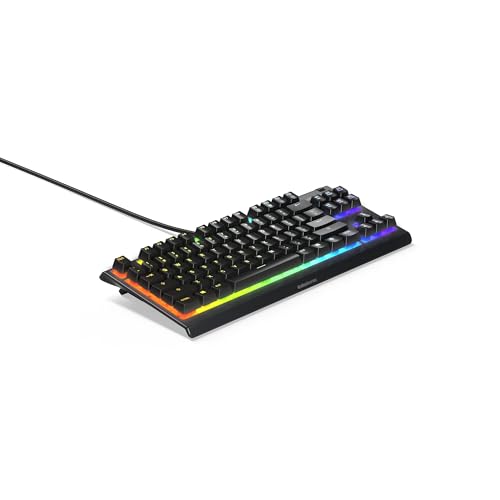
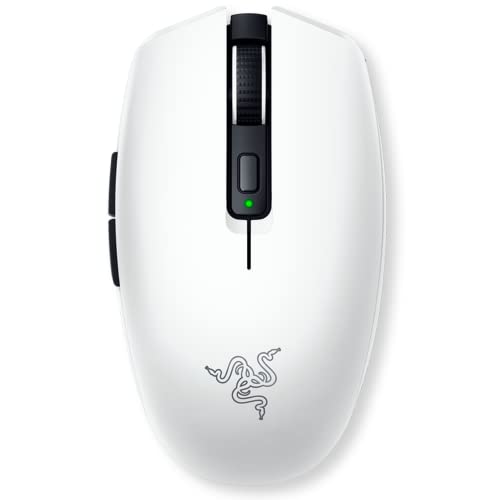
If you are buying a full setup, peripherals are often discounted on the same days. Our gaming keyboards, gaming mice, and gaming headsets pages show the current prices across every brand we track.
Gaming laptops follow a slightly different calendar
Gaming laptops are more seasonal than desktops because of the annual model-year cycle and back-to-school demand.
- Spring is when last year's models are cleared as the new ones ship.
- Summer and early fall bring back-to-school promotions aimed at students.
- Late fall brings the holiday events.
A prior-year gaming laptop with the same chassis, keyboard, and screen as the new one, but an older GPU and CPU, can be a much better buy if the price gap is large. Browse current options on our gaming laptops page, or narrow by budget with our gaming laptops under $1000 list.
Should you wait or buy now?
Here is a simple way to decide.
Buy now if:
- The price is at or below the value of the parts inside it.
- You need the PC for something specific soon, such as a game launch or school.
- The configuration is current-generation and the discount is meaningful.
- The listing is from a clear seller with a solid return window and warranty.
Wait if:
- A new GPU or CPU generation is expected within the next month or two and you are buying at the high end.
- The sale price is the same price the system has sold at for weeks.
- A major sale event is less than a few weeks away and the current price is not unusually low.
The cost of waiting is not zero. You go without the PC, and a good deal can sell out. If the price is already good by the parts-value test, buying now is reasonable.
How ClearanceStream helps you time a purchase
We check prices across every brand we track and show the time each price was checked on every product. Discounts only appear when a genuine reference price exists, and we never invent list prices. That means a deal on our site is measured against a real number you can verify.
To time a purchase well:
- Browse your category or budget, for example our gaming PCs under $1500 list.
- Note the price and the reference price shown on the product page.
- Sign up for our deal alerts to hear about notable price drops.
- Recheck before a major sale event, and compare the event price with what you saw before.
For a deeper look at judging the deal itself, read our guide to real gaming PC deals and our prebuilt gaming PC buying guide.
The bottom line
The best time to buy a gaming PC is when a good configuration is priced at or below the value of its parts, and that happens most often around Black Friday, the mid-summer sale events, and the months after a new GPU generation launches. Use the calendar to know when to look, and use the parts-value test to know when to buy. Start with our live gaming PC deals to see where prices stand today.
Frequently asked questions
What month are gaming PCs cheapest?
November is usually the cheapest month overall because of Black Friday and Cyber Monday. July is a close second thanks to the mid-summer sale events. Outside those, the months after a new GPU generation launches bring large discounts on outgoing systems.
Do gaming PC prices go down when new GPUs come out?
Systems with the previous generation of graphics cards usually drop in price when a new generation launches, because retailers need to clear them. Systems with the new cards rarely see discounts right away.
Is it better to buy a gaming PC on Black Friday?
Black Friday has the broadest discounts of the year, but not always the deepest on every system. Compare the sale price with the value of the parts inside, and check whether the deal is on a special lower-spec configuration.
Should I wait for a sale to buy a gaming PC?
Wait if a major sale or a new GPU generation is a few weeks away and you are buying at the high end. Buy now if the current price is already at or below the value of the parts and you need the PC soon.
About the author
Jaden Williams
Jaden Williams writes ClearanceStream's guides to finding and judging gaming PC deals, focusing on separating genuine price drops from inflated list prices, and on showing readers how to value a discounted system by the components inside it.